

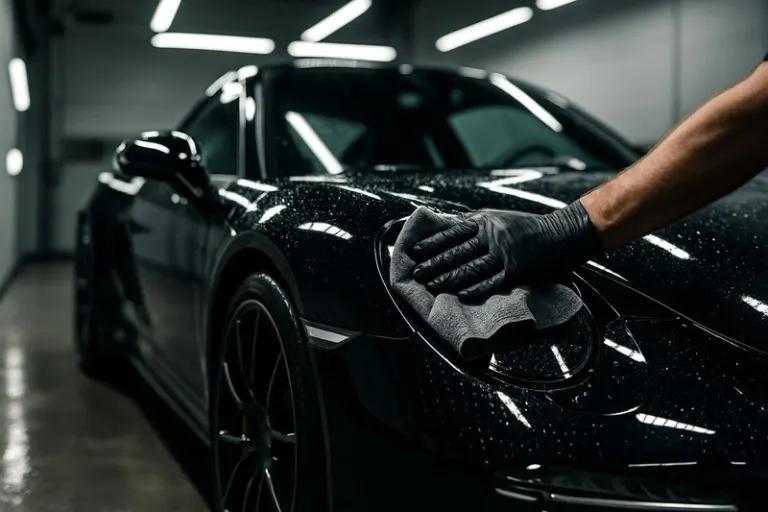
How to Maintain a Ceramic Coating After Professional Application
Introduction
Getting a ceramic coating professionally applied is an excellent way to enhance your car’s appearance and make its paintwork easier to maintain. The coating creates a protective layer over the vehicle’s exterior, helping improve gloss, water repellency, and resistance to common environmental contaminants.
However, one common misunderstanding among car owners is that ceramic coating means they no longer need to wash or maintain their vehicles regularly. In reality, even a professionally applied coating needs proper aftercare to deliver the best possible results over time.
Dust, road grime, bird droppings, tree sap, mineral deposits, and improper washing techniques can affect the coating’s appearance and performance. This makes it important to follow the correct maintenance routine from the beginning.
Whether you have recently coated a new car or upgraded the finish of your existing vehicle, understanding ceramic coating aftercare can help you preserve its shine and protective properties.
Let’s explore the essential steps to maintain a ceramic coating after professional application.
1. Follow the Initial Curing Instructions Carefully
The first step in ceramic coating maintenance begins immediately after the application.
Once a professional detailer applies the coating, it needs time to cure and bond with the vehicle’s surface. During this period, unnecessary contact with water, chemicals, or cleaning products may interfere with the curing process.
The exact curing time depends on the coating brand, product formulation, application method, and environmental conditions.
During the initial curing period:
- Avoid washing the vehicle until the recommended waiting period has passed.
- Keep the car away from unnecessary water exposure, including sprinklers and heavy rain, wherever possible.
- Avoid applying wax, polish, or additional detailing products.
- Do not rub the coated surface unnecessarily.
- Follow the aftercare instructions provided by your detailing professional.
Some coating systems have different requirements for the first few hours and the following days. Therefore, always follow the specific instructions given at the time of vehicle delivery rather than relying on a universal curing schedule.
2. Wash Your Car Using the Correct Technique
Regular washing is essential for keeping a ceramic-coated vehicle clean. However, the washing method matters just as much as the frequency.
Using dirty wash mitts, rough cloths, or aggressive cleaning techniques can introduce swirl marks and reduce the quality of the vehicle’s finish.
A safe washing routine should include the following steps:
Step 1: Pre-Rinse the Vehicle
Start by rinsing the vehicle with clean water to remove loose dust, mud, and surface debris.
This reduces the possibility of dragging abrasive particles across the paint during the contact-washing stage.
Step 2: Use a Suitable Car Shampoo
Choose a car shampoo that is compatible with your ceramic coating. A suitable pH-neutral shampoo is commonly recommended for routine maintenance.
Avoid household detergents, dishwashing liquids, and aggressive cleaning chemicals because they may affect the coating or other exterior materials.
Step 3: Use Clean Microfiber Wash Mitts
A soft, clean microfiber wash mitt helps reduce unnecessary friction during washing.
Where practical, use the two-bucket washing method:
- One bucket contains the shampoo solution.
- The second bucket contains clean rinse water.
Rinse the mitt frequently to reduce the transfer of dirt and grit back onto the paintwork.
Step 4: Rinse Thoroughly
After washing, rinse the vehicle properly so that shampoo residue does not remain on the surface.
Work methodically and avoid allowing cleaning products to dry on the paint.
3. Always Dry the Vehicle Properly
Drying is an important part of ceramic coating maintenance, particularly in areas where water contains a high level of dissolved minerals.
When water evaporates naturally, it can leave mineral deposits behind. These deposits may create water spots that affect the appearance of the coated surface.
For safer drying:
- Use a clean, high-quality microfiber drying towel.
- Use gentle pressure instead of rubbing aggressively.
- Dry the vehicle panel by panel.
- Avoid using old household towels or rough cloths.
- Consider a suitable car dryer or air blower where available.
Do not leave the vehicle wet for long periods after washing, especially when the water supply is prone to leaving mineral deposits.
4. Remove Bird Droppings, Tree Sap, and Insect Residue Promptly
Ceramic coating helps make contamination easier to clean, but it does not make the paint completely immune to environmental damage.
Bird droppings, insect residue, tree sap, and certain chemical contaminants can affect the finish if they remain on the surface for extended periods.
This is particularly relevant for cars parked outdoors or regularly driven through busy urban areas.
Follow these precautions:
- Check the vehicle periodically for fresh contamination.
- Avoid scraping dried deposits with fingernails or hard objects.
- Use a coating-compatible cleaning product when necessary.
- Soften stubborn contamination before attempting removal.
- Use a clean microfiber cloth with gentle movements.
- Contact a professional detailer if a mark does not come off easily.
Avoid aggressive rubbing because it may create scratches or damage the finish.
5. Avoid Automatic Brush Car Washes
Automatic car washes may appear convenient, but systems that use rotating brushes or shared contact materials can introduce scratches and swirl marks.
The brushes may also carry dirt from previously washed vehicles.
For a ceramic-coated car, safer alternatives include:
- Professional hand washing.
- Careful home washing with suitable products.
- Touchless washing where appropriate.
- Maintenance washing at a professional detailing studio.
If you use a professional car wash, confirm that the team understands ceramic coating maintenance and uses clean washing materials.
The objective is to remove dirt without introducing unnecessary friction or damaging the vehicle’s finish.
6. Use Ceramic-Coating-Compatible Maintenance Products
Not every car-care product is suitable for every ceramic coating.
Some coatings have dedicated maintenance shampoos, spray sealants, or ceramic boosters designed to complement the original coating system.
These products may help maintain surface slickness, gloss, and water-repelling behaviour when used according to the manufacturer’s directions.
Before purchasing or applying a product:
- Check whether it is compatible with your installed coating.
- Follow the recommended dilution and application instructions.
- Avoid layering unrelated products without professional advice.
- Apply products only to properly cleaned surfaces.
- Do not assume that every product labelled ceramic is suitable for every coating.
Traditional waxes and paint sealants are not automatically necessary after ceramic coating. Some maintenance products may interfere with the intended surface behaviour or manufacturer recommendations.
When in doubt, ask the professional who applied the coating.
7. Protect Your Vehicle from Harsh Environmental Conditions
Environmental exposure is another important factor in ceramic coating maintenance.
Cars in India regularly encounter challenging conditions such as intense sunlight, dust, pollution, construction debris, rainwater, and mineral-rich water.
Although ceramic coating provides an additional protective layer, it cannot prevent every type of environmental damage.
You can reduce unnecessary exposure by:
- Parking in covered or shaded areas when possible.
- Avoiding parking directly beneath trees.
- Cleaning off bird droppings and insect residue promptly.
- Avoiding prolonged contact with contaminated standing water.
- Washing away accumulated road grime regularly.
- Using suitable car covers only when the vehicle and cover are clean and dry.
These simple precautions can help preserve the appearance of your vehicle between maintenance washes.
8. Schedule Periodic Professional Inspections
Even with regular washing, your ceramic-coated vehicle can gradually accumulate bonded contaminants.
Sometimes the coating may appear less hydrophobic because of mineral deposits, road film, or other surface contamination rather than complete coating failure.
A professional inspection can help identify the actual reason behind the change.
During a maintenance inspection, a detailing professional may:
- Check the coating’s visible condition.
- Assess water behaviour on the surface.
- Identify contamination or mineral deposits.
- Recommend suitable decontamination.
- Suggest a compatible maintenance treatment where required.
The frequency of professional maintenance depends on the coating system, driving conditions, parking environment, and manufacturer’s recommendations.
Avoid assuming that reduced water beading automatically means the coating needs to be removed and reapplied.
9. Avoid Common Ceramic Coating Maintenance Mistakes
Many coating-related problems are caused not by the coating itself but by incorrect cleaning habits.
Here are some common mistakes to avoid:
Using household detergents: These products are not necessarily formulated for automotive paint or ceramic coatings.
Wiping dust with a dry cloth: Dry wiping can drag abrasive particles across the paint and create fine scratches.
Using rough towels: Poor-quality cleaning materials may introduce swirl marks.
Ignoring water spots: Allowing mineral deposits to remain on the surface can make them more difficult to remove.
Applying random detailing sprays: Incompatible products may affect the coating’s surface behaviour.
Expecting scratch-proof protection: Ceramic coating is not a substitute for paint protection film and does not prevent all scratches, stone chips, or physical damage.
Skipping regular washing: Accumulated dirt and contamination can affect the coating’s appearance and cleaning performance.
Avoiding these mistakes helps maintain the finish and reduces unnecessary wear caused by poor maintenance practices.
10. Build a Simple Ceramic Coating Maintenance Routine
Consistency is more important than using too many products. A practical routine can help car owners keep their vehicles in good condition.
After Every Few Drives
- Check for bird droppings and insect residue.
- Inspect the vehicle for visible contamination.
- Remove fresh deposits carefully using suitable products.
During Regular Maintenance Washes
- Pre-rinse the vehicle.
- Use compatible car shampoo.
- Wash with clean microfiber materials.
- Rinse thoroughly.
- Dry with a suitable microfiber towel or air blower.
Periodically
- Inspect the coating’s appearance and water behaviour.
- Check for stubborn mineral deposits or bonded contaminants.
- Consult a professional if the surface becomes unusually rough or difficult to clean.
- Use a maintenance treatment only when recommended for the installed coating.
Your exact schedule should depend on how frequently the vehicle is driven, where it is parked, local weather conditions, and the coating manufacturer’s guidance.
Why Professional Ceramic Coating Maintenance Matters
Professional ceramic coating application is only one part of long-term vehicle care. The maintenance process is equally important.
A professional detailing team can help identify contamination, recommend compatible cleaning products, and assess whether the coating needs a maintenance treatment.
At The Detailing Maniacs, ceramic and graphene coating services are part of a wider range of professional car detailing solutions. The team focuses on enhancing vehicle appearance and providing paint protection solutions for car owners in Noida and Delhi.
For owners who want to preserve their vehicle’s finish, understanding the coating system and following a suitable maintenance routine can make everyday car care more effective.
Conclusion
Maintaining a ceramic coating after professional application does not require an unnecessarily complicated routine. It requires consistency, the right cleaning products, safe washing techniques, and timely attention to environmental contamination.
Follow the initial curing instructions, wash your car carefully, dry it properly, remove harmful deposits promptly, and arrange professional inspections when necessary.
Remember, ceramic coating makes vehicle maintenance easier, but it does not eliminate the need for regular care.
With the right aftercare approach, you can help preserve your car’s gloss, water-repelling properties, and overall appearance for the intended service life of the coating.