

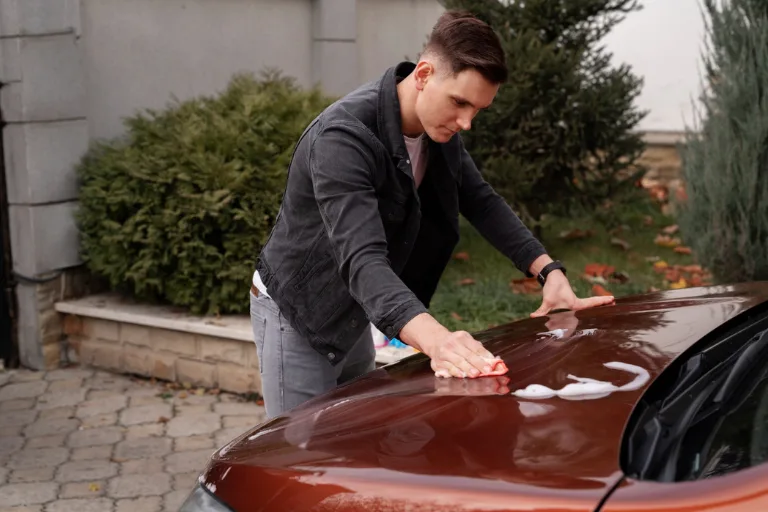
A car’s paintwork does more than make the vehicle look attractive. Its finish contributes to the vehicle’s appearance and helps protect the underlying surfaces. However, everyday driving exposes automotive paint to several challenges, including intense sunlight, heavy rain, airborne dust, gravel, road debris and environmental contaminants.
These factors do not affect every vehicle in the same way. A car parked outdoors in a hot climate may experience different paint-related issues from a vehicle regularly driven on gravel roads or used in a coastal area. Even two cars in the same city can develop different levels of wear depending on their driving habits, parking arrangements and maintenance routines.
This is why automotive paint protection should not be approached as a one-size-fits-all solution. Understanding the environment in which a vehicle operates helps owners choose suitable protection and establish better maintenance practices.
Solutions such as Paint Protection Film (PPF), ceramic coatings and regular detailing can help address different types of exposure. However, each serves a different purpose, and the best choice depends on the risks a vehicle faces most often.
In this guide, we explain how climate and road conditions affect automotive paint protection and what car owners can do to maintain their vehicle’s exterior over time.
1. How Climate Conditions Affect Automotive Paint
Weather can gradually affect a vehicle’s paint and protective products. Sunlight, heat, moisture and airborne contaminants often work together, making regular care important even when the vehicle does not show obvious damage.
Intense Sunlight and UV Exposure
Prolonged exposure to ultraviolet (UV) radiation can contribute to paint fading, oxidation and deterioration of the clear coat. Vehicles that spend many hours parked in direct sunlight may experience these effects more quickly than vehicles kept under suitable covered parking.
Dark-coloured cars can also become particularly hot in direct sunlight, although paint colour alone does not determine how quickly a finish deteriorates.
How to reduce the risk:
- Use covered or shaded parking whenever practical.
- Wash the vehicle regularly to remove accumulated contaminants.
- Consider a suitable UV-resistant PPF or paint protection product.
- Follow the manufacturer’s maintenance recommendations for the chosen protection.
A quality PPF can provide a physical protective layer and help reduce exposure-related damage to the paint beneath it. The level of protection depends on the film’s specifications, installation and condition.
High Temperatures and Heat Cycles
Hot weather can make contaminants harder to remove because residues may dry onto the vehicle’s surface. Repeated temperature changes can also place stress on exterior materials and protective films over time.
For example, bird droppings or tree sap left on a hot bonnet may become more difficult to remove and can mark the finish if not treated appropriately.
Car owners should avoid washing in direct, intense sunlight when possible. Allow the vehicle to cool, use automotive-safe cleaning products and remove stubborn contamination using methods recommended for the paint or film.
Rain, Humidity and Monsoon Conditions
Rain does not automatically damage automotive paint, but rainwater can leave mineral deposits and carry airborne pollutants or grime. When water evaporates, these residues may remain as visible spots. Prolonged exposure to certain contaminants can also affect the clear coat.
During monsoon conditions, wet roads can splash mud and grit onto the lower panels, while standing water and accumulated dirt may collect around wheel arches and other exposed areas.
To maintain the finish:
- Rinse away mud and road grime before washing.
- Dry the vehicle using a clean, suitable microfibre towel.
- Remove water deposits with a paint-safe method.
- Inspect PPF edges if you notice lifting or damage.
- Clean the vehicle after particularly dirty or contaminated journeys.
A hydrophobic coating or PPF top layer may make water and dirt easier to remove, but neither makes a vehicle completely immune to staining or water spots.
2. How Road Conditions Affect Automotive Paint Protection
Climate is only one part of the equation. The surfaces a vehicle travels on can expose its paint to repeated impacts, abrasion and contamination.
Gravel Roads and Loose Stones
Loose gravel and small stones can strike the front bumper, bonnet, side mirrors, wheel arches and lower door panels. At higher speeds, these impacts can chip the paint and expose the layers underneath.
Paint Protection Film is particularly useful for vehicles that regularly travel on highways, rural roads or construction routes because it creates a physical barrier over covered panels.
Recommended approach:
- Consider PPF for high-impact areas.
- Maintain a safe following distance behind trucks and vehicles carrying loose materials.
- Inspect the front bumper and bonnet periodically for chips.
- Repair paint damage promptly when necessary.
PPF can reduce damage from many minor impacts, but it cannot guarantee protection against every stone strike or severe impact.
Dust, Sand and Construction Debris
Dust and sand are common challenges for vehicles driven in dry environments, busy cities and areas with ongoing construction. Fine particles can accumulate on the paint, and rubbing them across a dirty surface during cleaning may create scratches and swirl marks.
The damage often develops gradually. A vehicle may initially appear slightly dull, but repeated improper washing can make the finish increasingly hazy under direct sunlight.
To minimise this risk, avoid wiping dust away with a dry cloth. Rinse the surface first, use automotive shampoo and clean microfibre wash tools, and dry the vehicle with a clean towel suitable for automotive finishes.
A ceramic coating may make washing easier by improving surface water behaviour and reducing the tendency of some contaminants to adhere strongly. It does not eliminate the risk of scratches caused by abrasive particles.
Potholes, Uneven Roads and Road Repairs
Potholes and uneven roads are more commonly associated with tyre, wheel and suspension damage than direct paint damage. However, they can indirectly affect exterior panels by increasing exposure to loose stones, mud and debris thrown up by tyres.
Road repairs may also leave dust, tar and other residues on lower body panels.
After driving through a construction zone or a heavily damaged road, inspect the bumper, side skirts and wheel arches. Remove accumulated dirt with appropriate cleaning products rather than scraping hardened deposits from the paint.
Coastal Roads and Salt Exposure
Vehicles driven near the sea may encounter salt-laden air and salt deposits. Salt and persistent moisture can contribute to corrosion when the underlying metal is exposed through paint chips or other damage.
Owners in coastal areas should pay particular attention to:
- Lower panels and wheel arches.
- Existing stone chips and scratches.
- Areas where dirt and moisture accumulate.
- Damaged or lifting edges of protective film.
Rinse the vehicle regularly, including accessible lower areas, and address exposed paint promptly. PPF may help protect covered surfaces, but it should not be treated as a substitute for repairing existing paint damage or maintaining the vehicle’s bodywork.
3. Understanding Different Paint Protection Solutions
Not every protection product is designed to handle every environmental challenge. Understanding the difference between PPF, ceramic coating and traditional wax makes it easier to select a suitable option.
Paint Protection Film (PPF)
PPF is a transparent or finish-specific film applied to selected painted surfaces. It provides a physical barrier against many everyday abrasions and minor stone impacts.
Depending on the product, features may include UV resistance, stain resistance, water-repellent properties and a self-healing top layer for certain light surface marks.
PPF is worth considering when a vehicle regularly faces highway driving, loose gravel or other physical hazards.
Ceramic Coating
Ceramic coating creates a thin protective layer over the paint. Its primary advantages include improved gloss, water behaviour and easier removal of many common contaminants.
It can be useful for vehicles exposed to dust, sunlight and frequent washing, particularly when the owner wants to simplify maintenance.
However, ceramic coating is not designed to absorb stone impacts in the way a physical film can.
Wax and Paint Sealants
Wax and paint sealants provide a surface layer that can improve appearance and make routine cleaning easier. Their durability varies according to the product, conditions and maintenance routine.
They may be suitable for owners seeking a simpler maintenance option, but they generally do not provide the impact protection offered by PPF.
Quick Comparison
| Feature | PPF | Ceramic coating | Wax or sealant |
| Minor stone-chip protection | Best suited to this purpose | Not designed for impact protection | Not designed for impact protection |
| Gloss enhancement | Depends on film finish | Common benefit | Common benefit |
| Water repellency | Product-dependent | Common benefit | Product-dependent |
| Easier cleaning | Often helps | Often helps | Can help |
| Protection from every type of damage | No | No | No |
The right choice depends on your vehicle, driving habits, climate, budget and expectations. Some owners combine PPF on vulnerable panels with a compatible coating for easier maintenance. Product compatibility and application instructions should always be checked before combining treatments.
4. Match Paint Protection to Your Driving Environment
A useful way to choose protection is to start with the conditions your vehicle experiences most frequently.
| Driving or parking condition | Main concern | Practical approach |
| Frequent highway driving | Stone chips and road debris | Consider PPF on high-impact panels |
| Daily city driving | Dust, minor abrasions and parking marks | Proper washing and suitable paint protection |
| Hot climate with outdoor parking | UV exposure and heat-related contamination | Covered parking and UV-resistant protection |
| Heavy monsoon use | Mud, water deposits and road grime | Regular rinsing, safe drying and inspections |
| Coastal environment | Salt deposits and moisture | Frequent cleaning and prompt chip repair |
| Construction-zone driving | Grit, dust and tar | Safe decontamination and targeted PPF |
These are general recommendations rather than fixed rules. A car driven mainly on smooth roads but parked outdoors all day may need a different approach from a vehicle used for frequent highway trips.
Before investing in protection, consider where the car is driven, where it is parked and which panels show the most wear.
5. Why Professional Installation and Product Quality Matter
Even a suitable paint protection product can underperform if it is poorly installed or maintained. The condition of the paint underneath, preparation methods, application technique and aftercare instructions all influence the result.
Inspect the Paint Before Application
Existing scratches, chips, oxidation and previous repairs should be assessed before PPF or a coating is applied. Protection products do not automatically correct underlying defects.
If paint correction is needed, it should be discussed before installation so the owner understands the expected finish and any additional work involved.
Choose Products Based on Specifications
Do not judge a film or coating only by its appearance or advertised lifespan. Ask about the product’s material, intended use, maintenance requirements and written warranty conditions.
For PPF, useful questions include:
- What material is the film made from?
- Does it offer UV resistance and a self-healing top layer?
- Which panels will be covered?
- What does the warranty include and exclude?
- How should the film be washed and maintained?
A warranty period is not the same as a guaranteed service life. Actual durability depends on product quality, installation, climate, exposure and care.
Follow Aftercare Instructions
After installation, follow the installer’s instructions regarding washing, curing time and inspection. Avoid harsh chemicals or aggressive cleaning tools unless the product manufacturer confirms they are suitable.
If you notice lifting edges, unusual discolouration, cracking or persistent haziness, arrange an inspection rather than attempting an improvised repair.
6. Essential Car Paint Maintenance Habits
Protection products work best when combined with consistent maintenance. A simple routine can help prevent dirt and contaminants from building up and reduce the risk of avoidable wash-related scratches.
Wash the Car Safely
Use automotive-safe shampoo and clean wash mitts. Rinse away loose dirt before making contact with the surface, and avoid dragging contaminated towels across the paint.
Remove Contaminants Promptly
Bird droppings, tree sap, insect residue and road tar should be addressed using suitable products and methods. Avoid aggressive scraping or strong household cleaners that may damage the finish or protective layer.
Inspect Vulnerable Areas
Pay particular attention to the bonnet, bumper, mirrors, wheel arches and lower doors. These areas often receive greater exposure to road debris.
Use Suitable Parking
Covered parking can reduce direct sunlight and weather exposure. If parking under trees, consider the risk of sap, leaves and bird droppings.
If a car cover is used, make sure both the cover and the vehicle are clean before fitting it. A dirty cover moving against the paint in windy conditions can cause scratches.
Schedule Periodic Professional Inspections
A professional detailing inspection can help identify film damage, contamination and maintenance needs. The appropriate interval depends on driving conditions, product guidance and how the vehicle is used.
7. Common Paint Protection Mistakes to Avoid
Car owners can unintentionally damage their vehicle’s finish even after investing in protection.
Mistake 1: Expecting ceramic coating to stop stone chips. Ceramic coating helps with surface behaviour and maintenance, but it is not a substitute for impact-resistant film.
Mistake 2: Wiping dusty paint with a dry cloth. Loose grit can scratch the surface when rubbed against the finish.
Mistake 3: Ignoring small paint chips. Exposed areas may deteriorate further, particularly when moisture and contaminants reach the underlying layers.
Mistake 4: Assuming PPF never needs maintenance. Film should be cleaned, inspected and maintained according to the manufacturer’s instructions.
Mistake 5: Choosing protection without considering driving habits. A vehicle that regularly travels on gravel roads may have different requirements from one used mostly for short urban journeys.
Mistake 6: Believing every product offers identical performance. Materials, specifications, installation methods and warranty terms vary. Review the details before making a decision.
Avoiding these mistakes helps owners make more informed choices and get better practical value from their paint protection investment.
Conclusion
Climate and road conditions play a major role in how automotive paint ages. Strong sunlight can contribute to fading, rain and environmental contaminants can leave deposits, and gravel or loose stones can cause chips and scratches. Dust can also create problems when it is removed using unsuitable washing techniques.
The most effective approach begins with understanding the vehicle’s actual exposure. PPF can help reduce physical damage to covered panels, ceramic coating can make routine cleaning easier, and safe washing habits help maintain the finish over time.