

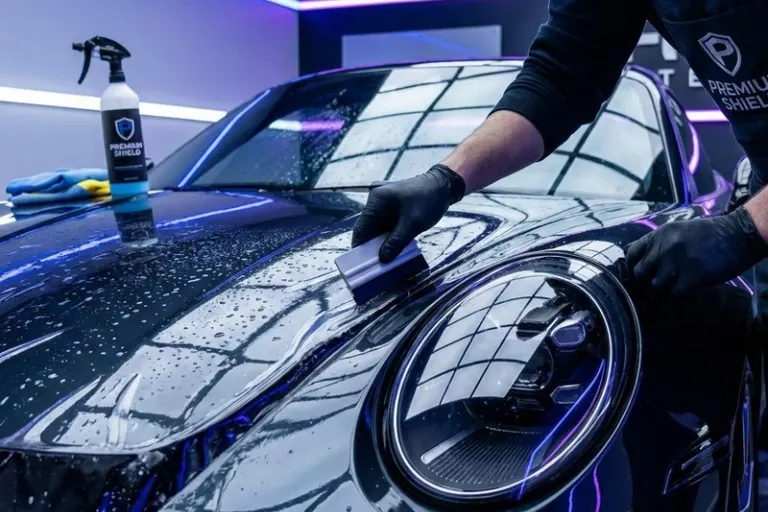
PPF Maintenance Guide: How to Keep Paint Protection Film Looking New
Paint Protection Film (PPF) is one of the most effective ways to protect a vehicle’s painted surfaces from everyday wear, minor scratches, stone chips and environmental contaminants. Whether you drive a luxury car, SUV or everyday vehicle, professionally installed PPF can help preserve the original paintwork and maintain a well-kept appearance.
However, installing PPF is only the beginning. Proper maintenance plays an important role in keeping the film clean, clear and visually appealing over time.
Many car owners assume that once PPF is installed, their vehicle requires little attention. In reality, incorrect washing methods, harsh chemicals, neglected contamination and improper drying can affect the film’s appearance and performance.
This PPF maintenance guide explains how to care for Paint Protection Film, which cleaning methods to follow, what mistakes to avoid and when professional maintenance may be necessary.
1. Understand Why PPF Maintenance Is Important
Paint Protection Film is designed to act as a protective barrier between your vehicle’s paintwork and everyday environmental exposure.
High-quality films may offer resistance to minor scratches, road debris, bug splatter and certain environmental contaminants. Some modern films also feature self-healing topcoats that can reduce the appearance of light surface marks under suitable conditions.
However, PPF is not completely damage-proof.
Dirt, mineral deposits, bird droppings, tree sap and inappropriate cleaning products can still affect the film’s surface.
Regular PPF maintenance helps to:
- Maintain the film’s clarity and appearance.
- Reduce contamination buildup.
- Minimise water spotting.
- Protect the film’s surface finish.
- Identify lifting edges or damage early.
- Support the film’s expected service life.
A consistent maintenance routine can help keep your vehicle looking professionally detailed for longer.
2. Follow the Correct Aftercare Instructions After Installation
The first few days after PPF installation are important because the film and adhesive need time to settle.
During installation, a specialist may use a fitting solution to position the film correctly. Some moisture or minor visual changes can remain temporarily while the installation settles.
Avoid washing the vehicle until the period specified by your installer or film manufacturer has passed.
Depending on the product, manufacturers may recommend waiting approximately 48–72 hours before hand washing. Some products also require a longer waiting period before spray washing.
During the initial period:
- Avoid washing the vehicle before the recommended time.
- Do not direct high-pressure water towards film edges.
- Avoid rubbing or pressing visible moisture pockets.
- Do not attempt to peel or reposition the film.
- Contact the installer if you notice unusual lifting or persistent defects.
Following product-specific instructions helps protect the quality of the installation.
3. Use a Safe Hand-Washing Method
Regular washing is one of the most important parts of maintaining Paint Protection Film.
A careful hand wash helps remove dust, road grime and contaminants without unnecessarily abrading the film.
Recommended PPF Washing Process
Step 1: Park in a shaded area
Avoid washing the vehicle under intense direct sunlight. Hot panels can cause shampoo and water to dry quickly, increasing the risk of spotting.
Step 2: Rinse loose dirt
Use a gentle water rinse to remove loose dust and debris before touching the surface.
Step 3: Use a PPF-compatible car shampoo
Choose a quality automotive shampoo approved or recommended for the installed film. A suitable pH-neutral shampoo is often a practical option.
Step 4: Wash with a soft microfiber mitt
Use a clean microfiber wash mitt and gentle, straight-line movements. Avoid applying excessive pressure.
Step 5: Work from top to bottom
Start with cleaner upper panels and finish with the dirtiest lower sections to reduce contamination transfer.
Step 6: Rinse thoroughly
Remove shampoo residue before it dries on the film.
Step 7: Dry carefully
Use a clean, plush microfiber drying towel or suitable air blower to minimise water spotting.
The two-bucket washing method, with one bucket for shampoo solution and another for rinsing the wash mitt, can help reduce the transfer of dirt back onto the vehicle.
4. Avoid Harsh Chemicals and Abrasive Cleaning Products
Not every automotive cleaning product is suitable for Paint Protection Film.
Some aggressive chemicals can affect the protective topcoat, alter the appearance of the film or create staining.
Avoid using products without checking compatibility, particularly:
- Strong acidic or alkaline cleaners.
- Unapproved solvents and chemical removers.
- Abrasive rubbing compounds.
- Household detergents and degreasers.
- Rough brushes and scrubbing pads.
- Polishes containing abrasive particles.
- Coloured waxes or products unsuitable for the film.
Some specialist cleaning products may be permitted for particular film brands, but their compatibility and application methods must be confirmed first.
For everyday maintenance, use cleaning products recommended by the film manufacturer or professional installer.
5. Remove Bird Droppings, Tree Sap and Bug Splatter Quickly
Environmental contaminants can affect the appearance of PPF when they remain on the surface for extended periods.
Bird droppings, insect residue, tree sap and road tar should be addressed promptly.
How to Clean Contaminated PPF
First, rinse the affected area to remove loose dirt.
If the contamination has dried, soften it using a suitable PPF-safe cleaning solution or warm, soapy water, following the manufacturer’s instructions.
Allow the product to work without aggressively scrubbing the surface.
Gently remove the softened residue using a clean microfiber cloth, then rinse and dry the area.
Never scrape stubborn contamination with sharp tools.
If a stain does not respond to normal cleaning, consult a detailing professional rather than repeatedly applying stronger chemicals.
Prompt contamination removal helps reduce the possibility of permanent marks and unnecessary surface damage.
6. Be Careful When Using Pressure Washers
Pressure washing can be useful for removing dirt, but incorrect technique may damage PPF, particularly around edges and seams.
High-pressure water directed towards a film edge can force water underneath the material and contribute to lifting.
If pressure washing is permitted by your film manufacturer:
- Follow the manufacturer’s recommended pressure and nozzle settings.
- Maintain the specified distance from the vehicle.
- Avoid directing the spray towards exposed edges.
- Do not concentrate the water jet on one area.
- Avoid pressure washing during the initial curing period.
Different manufacturers provide different requirements. Do not rely on a single pressure setting or distance for every PPF product.
When uncertain, use a gentle hand-washing method.
7. Understand How Self-Healing PPF Works
Some premium Paint Protection Films have self-healing properties.
These films use a specialised surface layer that can reduce the appearance of minor swirl marks and superficial scratches when exposed to suitable warmth.
However, self-healing has limitations.
It generally does not repair deep cuts, torn film, damaged adhesive or scratches that penetrate the protective layer.
Do not attempt to remove scratches using excessive heat, abrasive polishing or unapproved chemicals.
If light surface marks remain visible, ask your installer whether the specific film supports controlled heat-assisted recovery.
For deeper damage, professional assessment or replacement of the affected film section may be necessary.
8. Prevent Water Spots and Mineral Deposits
Water spots are a common concern for vehicle owners, especially in areas with hard water or during hot weather.
When water evaporates, minerals can remain on the surface and create visible deposits.
To reduce water spotting:
- Wash the vehicle in a shaded location.
- Avoid allowing rinse water to dry naturally.
- Use clean, soft drying towels.
- Consider filtered or demineralised water for the final rinse.
- Remove fresh water spots promptly using an approved product.
If mineral deposits become difficult to remove, avoid aggressive polishing or strong acidic cleaners without confirming their compatibility with the installed film.
A professional detailer can recommend a suitable treatment based on the film’s condition.
9. Choose Protective Products Carefully
Some PPF products can be maintained with compatible sealants, maintenance sprays or ceramic coatings.
These products may improve surface slickness, water behaviour and ease of cleaning, depending on the film and treatment used.
However, not every wax, coating or maintenance product is appropriate for every film.
For example, gloss PPF and matte or satin PPF may require different products.
Before applying additional protection, check:
- Whether the product is approved for the installed film.
- Whether it is suitable for gloss, matte or satin finishes.
- Whether it contains abrasives or dyes.
- Whether it affects the film’s appearance.
- Whether it is compatible with warranty requirements.
Avoid applying gloss-enhancing products to matte or satin films unless the manufacturer specifically approves them.
10. Protect PPF From Unnecessary Environmental Exposure
Paint Protection Film is designed for automotive use, but sensible parking and storage habits can help preserve its appearance.
Whenever practical, park in a covered or shaded location to reduce prolonged exposure to direct sunlight, dust and environmental contamination.
Avoid leaving bird droppings, insect residue or tree sap on the vehicle for long periods.
If using a car cover, ensure the vehicle is clean and the cover is suitable for automotive paint and PPF. Placing a cover over a dusty vehicle can cause friction and surface marks.
For vehicles frequently exposed to highways, construction dust, coastal environments or heavy pollution, maintenance may need to be more frequent.
11. Inspect PPF Edges and Surface Condition Regularly
Routine inspections can help identify minor issues before they become more serious.
Look for:
- Film edges beginning to lift.
- Unusual bubbles or persistent moisture pockets.
- Deep scratches or cuts.
- Staining that does not respond to cleaning.
- Discolouration or surface changes.
- Damage caused by stones or road debris.
Pay particular attention to bumpers, wheel arches, door edges and other areas exposed to regular contact.
Do not pull or cut a lifted edge yourself.
A professional installer can determine whether the affected area can be repaired or requires replacement.
12. Schedule Professional PPF Maintenance
Even with careful home maintenance, periodic professional inspections can be valuable.
A detailing professional can evaluate the film’s appearance, surface contamination, edges and overall condition.
Professional maintenance may include:
- Safe exterior washing.
- Inspection of PPF edges and seams.
- Assessment of contamination and staining.
- Application of compatible maintenance products.
- Identification of damaged sections.
- Recommendations for repair or replacement.
The appropriate inspection frequency depends on the film brand, driving conditions, vehicle storage and manufacturer guidance.
For professional automotive detailing information and services, visit The Detailing Maniacs.
13. Simple PPF Maintenance Schedule
A practical maintenance schedule makes long-term care easier.
After Installation
Follow the manufacturer’s specified waiting period before washing. Avoid pressure washing and unnecessary contact with film edges.
Weekly or Fortnightly
Inspect the vehicle for contamination and wash as required using approved shampoo and microfiber accessories.
Monthly
Check the film for staining, scratches, lifting edges and other visible changes.
Every Few Months
Review whether a manufacturer-approved maintenance spray or protective treatment is recommended for the specific film.
Annually
Consider a professional inspection, especially where required by the product warranty.
The exact schedule should be adjusted for driving conditions, climate, usage and the film manufacturer’s instructions.
Common PPF Maintenance Mistakes to Avoid
Many PPF problems can be linked to incorrect care rather than normal use.
Common mistakes include:
- Washing the vehicle too soon after installation.
- Using dirty microfiber towels or rough brushes.
- Allowing bird droppings and tree sap to remain on the surface.
- Applying harsh chemicals without checking compatibility.
- Directing pressure washers towards film edges.
- Using abrasive polishing compounds.
- Ignoring lifting edges or visible damage.
- Applying unsuitable gloss products to matte PPF.
- Allowing hard water to dry repeatedly on the surface.
- Assuming that self-healing film can repair every scratch.
Avoiding these mistakes can help maintain a cleaner appearance and reduce unnecessary repairs.
Conclusion
Paint Protection Film is an effective way to help protect a vehicle’s original paintwork, but maintaining its appearance requires consistent care.
Safe washing, suitable cleaning products, prompt contamination removal and careful drying all contribute to keeping PPF looking new. Regular inspections also help identify damage or lifting edges before they become more serious.